
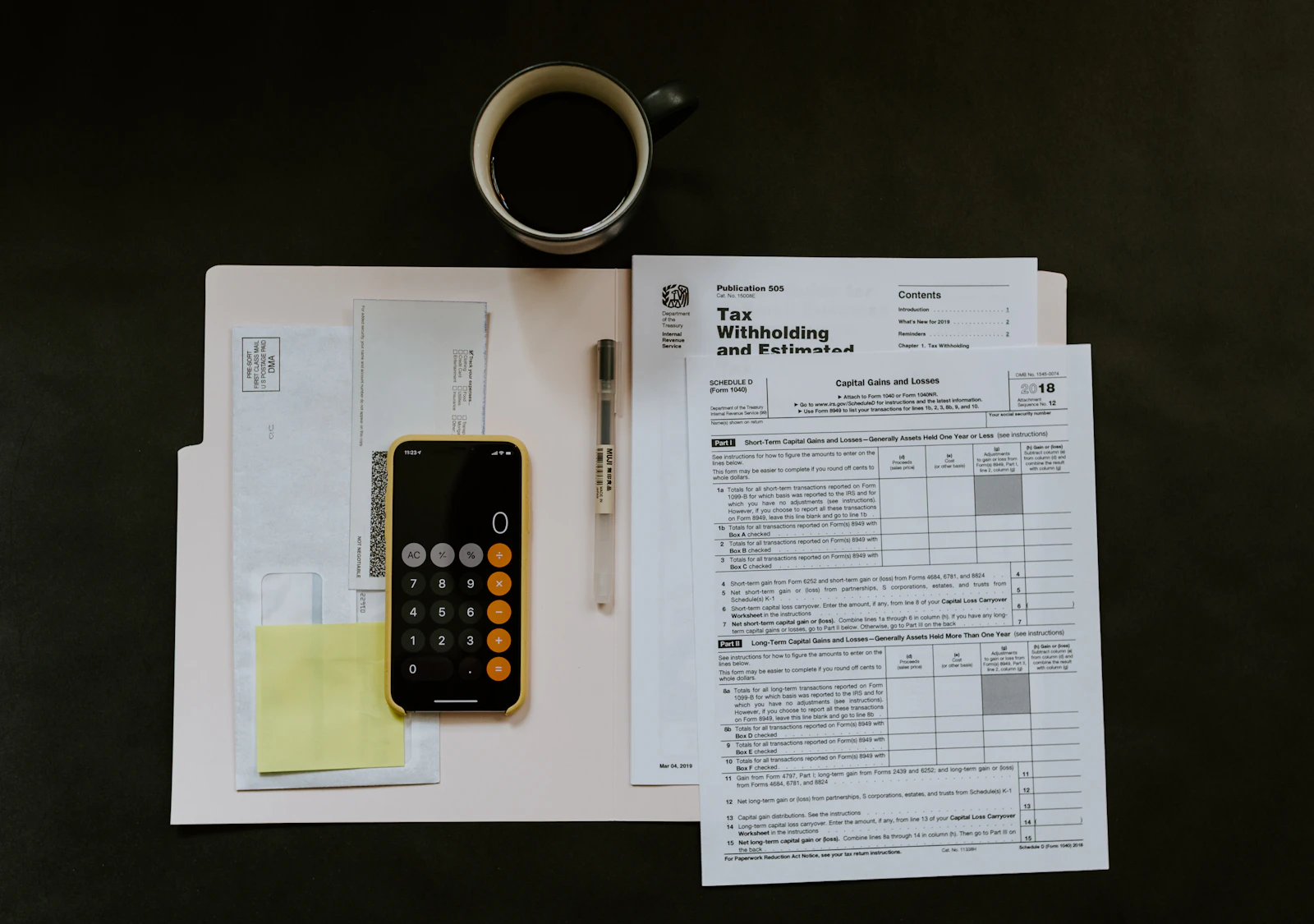
Commercial leasing offers significant tax advantages that can substantially reduce your business's tax burden. Understanding these benefits is essential for making informed decisions about how to acquire equipment and other business assets. In this comprehensive guide, we explore the various tax benefits available through commercial leasing and how they can impact your bottom line.
Overview of Tax Benefits
The tax treatment of commercial leases depends on how the lease is classified. Understanding the distinction between operating and capital leases is crucial because each type offers different tax advantages:
- Operating Leases: Payments are deductible as business expenses
- Capital (Finance) Leases: Depreciation and interest deductions are available
Both structures offer meaningful tax benefits, but the optimal choice depends on your business's specific tax situation, cash flow needs, and long-term plans.
Operating Lease Tax Benefits
Lease Payment Deductibility
Depending on the contract and applicable tax law, operating lease payments may be treated as deductible business expenses. Tax treatment and deductions depend on the transaction, applicable law, eligibility, and timing. Consult a qualified tax professional.
Accounting & Balance-Sheet Considerations
Accounting standards such as ASC 842 (U.S. GAAP) and IFRS 16 govern how leases are recognized on financial statements. Whether a lease is classified as operating or finance affects how assets and liabilities are presented, rather than guaranteeing off-balance-sheet treatment.
Simplified Tax Filing
Operating lease deductions are straightforward — you simply deduct the payment as a business expense. There's no need to track and calculate depreciation schedules, which simplifies your tax filing process and reduces the potential for errors.
Capital Lease Tax Benefits
Depreciation Deductions
With capital leases, the leased asset is treated as if it were owned by the lessee for tax purposes. This means you can claim depreciation deductions, which can be substantial, especially with accelerated depreciation methods.
Section 179 Deduction
One of the most powerful tax benefits available to businesses is the Section 179 deduction, which allows you to deduct the full cost of qualifying equipment in the year it's placed in service, up to annual limits. For tax year 2024, the deduction limit is $1,220,000. Capital leases (particularly $1 buyout leases) may qualify for Section 179 treatment, allowing you to potentially deduct the entire equipment cost immediately.
Bonus Depreciation
In addition to Section 179, bonus depreciation allows businesses to deduct a significant percentage of qualifying asset costs in the first year. While the percentage has been phasing down from the 100% level established by the Tax Cuts and Jobs Act, it still represents a meaningful tax benefit for equipment acquired through capital leases.
Interest Deductions
Capital lease payments are split between principal and interest components. The interest portion is deductible as a business expense, similar to interest on a traditional business loan. It's wise to monitor how interest rates impact your total financing cost.
Strategic Tax Planning with Leases
Timing Your Lease
The timing of your lease can significantly impact tax benefits. Entering a lease before year-end can accelerate deductions into the current tax year. This is particularly valuable when combined with Section 179 or bonus depreciation, which allow substantial first-year deductions.
Matching Lease Type to Tax Strategy
Your overall tax strategy should influence your lease structure choice:
- If you need steady, predictable deductions → operating lease
- If you want large upfront deductions → capital lease with Section 179
- If you want to minimize balance sheet impact → operating lease
- If you plan to keep the equipment → capital lease ($1 buyout)
Don't overlook state-level tax implications. Different states treat leases differently for sales tax, property tax, and income tax purposes. Some states exempt leased equipment from sales tax, while others tax the monthly payments. This state-level variation is similar to how business compliance costs vary by state. Understanding your state's specific rules can reveal additional savings opportunities.
Real-World Tax Savings Example
| Scenario | Operating Lease | Capital Lease ($1 Buyout) |
|---|---|---|
| Equipment Cost | $200,000 | $200,000 |
| Annual Lease Payment | $48,000 | $44,000 |
| Year 1 Tax Deduction | $48,000 | $200,000 (Section 179) |
| Tax Savings (25% rate) | $12,000 | $50,000 |
| 5-Year Total Deduction | $240,000 | $220,000 + interest |
Note: These are simplified examples. Actual tax implications vary based on business circumstances, tax bracket, and applicable regulations.
Working with Professionals
Tax laws are complex and change frequently. While this guide provides a solid foundation, we strongly recommend working with qualified tax professionals who can evaluate your specific situation. At Boston Leasing & Finance, we partner with tax advisors to help clients structure leases that maximize available benefits.
Understanding residual value and lease payment calculations also helps you evaluate the full financial picture. For broader business financing options, explore our comprehensive resources.
Frequently Asked Questions
Are lease payments tax deductible?
Tax treatment and deductions depend on the transaction, applicable law, eligibility, and timing. Operating lease payments may be deductible as ordinary business expenses in some jurisdictions, while finance/capital leases typically involve depreciation and interest rules. Consult a qualified tax professional.
What is Section 179 and how does it apply to leasing?
In the U.S., Section 179 allows eligible businesses to expense qualifying equipment up to statutory annual limits, subject to tax-year rules and lease classification. Consult a qualified tax professional.
Can I deduct lease payments and depreciation?
Generally, you cannot claim both on the same basis. Which method applies depends on lease classification and applicable tax law. Consult your tax advisor for specifics.
How does bonus depreciation affect leasing decisions?
Bonus depreciation rules vary by tax year and asset eligibility under U.S. tax law. Consult a qualified tax professional to see how current rules apply to your situation.
Do tax benefits differ by state?
Yes, state tax treatment of leases—including sales tax and income tax deductions—varies by jurisdiction. Consult a tax professional familiar with your state's regulations.
Conclusion
The tax benefits of commercial leasing are substantial and can significantly impact your business's financial performance. Whether you choose an operating lease for consistent deductibility or a capital lease for accelerated depreciation, understanding these benefits allows you to structure financing arrangements that minimize your tax burden while meeting operational needs. Contact Boston Leasing & Finance to discuss how we can help you optimize your leasing strategy for maximum tax efficiency.